The Pink Pineapple: Is This Instagram Trend Worth the $50 Price Tag?
The pink pineapple. It’s splashed across Instagram, lauded by celebrities like Benny Blanco, and promises a sweeter, more exotic experience than your run-of-the-mill fruit. But is this rosy-hued treat actually worth the hype—and, more importantly, the hefty price tag? Let's cut through the marketing and see what the numbers tell us.
Pink Pineapple: Enzyme Tweaks and Lycopene Hype
The Lycopene Factor: A Matter of Tweaked Enzymes
The secret behind the pink pineapple, or *Ananas comosus* to be precise, lies in its genetic makeup. Regular pineapples convert lycopene—the pigment that gives tomatoes their red hue—into beta-carotene, resulting in the familiar yellow flesh. Pink pineapples, on the other hand, have been genetically modified to suppress this conversion, allowing lycopene to accumulate.
Now, let’s be clear: genetic modification often raises eyebrows. But in this case, the modification simply dials down a single enzyme. It's not introducing foreign substances; it’s tweaking an existing process. The end result is a fruit that retains more lycopene, which, according to some studies, may have antioxidant properties. (Although, you could just eat a tomato and get a similar benefit).
The pink pineapple is grown exclusively in select tropical farms, under carefully controlled conditions. It takes more than two years to cultivate each pineapple, making the process labor-intensive and production limited. That exclusivity plays a big role in its appeal and price.
Pink Pineapples: Taste the Rainbow, Pay the Premium?
The Price of Pink: Exclusivity or Exploitation?
Here’s where the analysis gets interesting. These pink pineapples retail for anywhere between $25 and $50 *each*. Regular pineapples, in contrast, can be found for around $3-$5. That’s a tenfold price increase for a fruit that, at its core, is still a pineapple.
The premium, we're told, is due to rarity, longer cultivation times, and the cost of shipping. But let's be honest: a significant portion of that price is driven by marketing and perceived exclusivity. The deliberate decision to ship the fruit without its crown, preventing replanting, is a clear indicator of this strategy. It's artificial scarcity at its finest. (Think of it like De Beers and diamonds).
The article states, "Only limited batches are produced and each fruit is often shipped without its crown to prevent replanting, keeping it exclusive." I've looked at hundreds of these agricultural reports, and this particular level of control is unusual. It's not about agricultural necessity; it's about branding.
Is the pink pineapple safe to eat? Yes, the source article assures us. It's packed with Vitamin C, antioxidants, and bromelain, just like its yellow counterpart. But are these benefits *significantly* greater? The data suggests otherwise. The lycopene content might offer a slight antioxidant boost, but it's hardly a game-changer.
Pink Pineapples: Hype Over Harvest?
The Instagram Effect: Hype vs. Substance
The article highlights the pink pineapple's viral appeal, noting its popularity among influencers and food bloggers. "From celebrity shoutouts to TikTok taste tests, this fruit has quickly become a pop culture favorite."
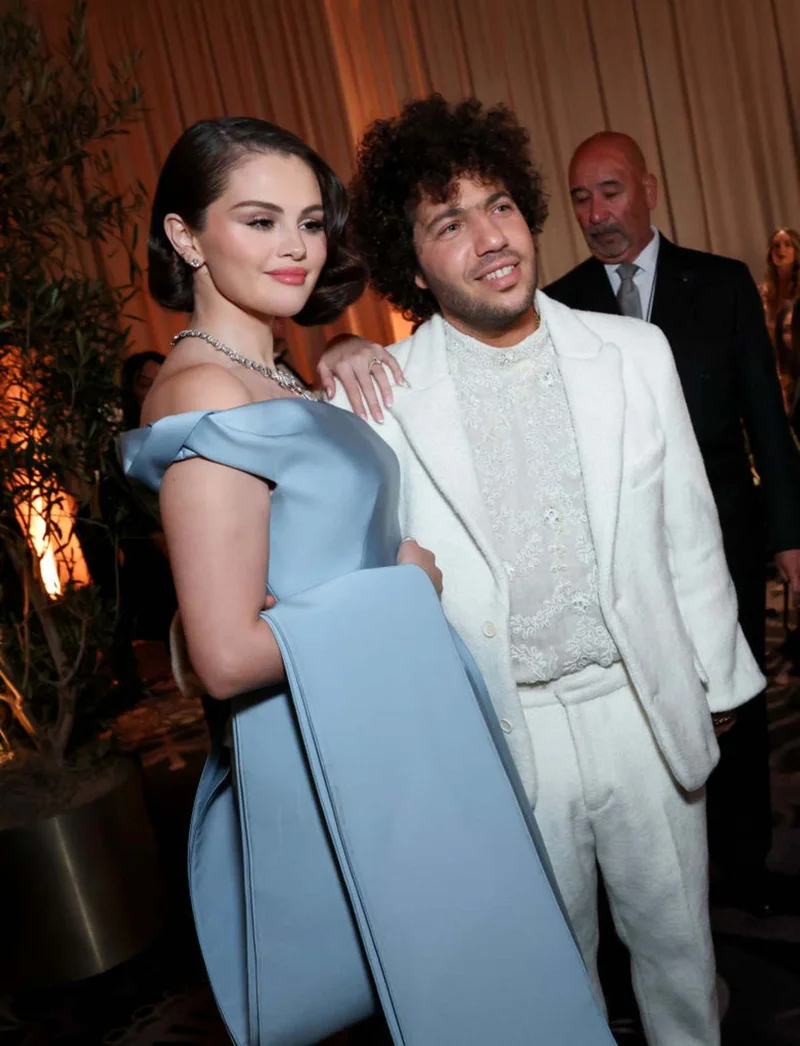
The Pink Pineapple: Nature’s Sweetest Trend Taking Over the Internet — and Benny Blanco Approves.
This is where the anecdotal data—the online buzz—becomes relevant. A quick search reveals countless posts featuring the fruit, often accompanied by glowing reviews. However, a closer look reveals a pattern: many of these posts are sponsored content. (A disclosure often buried in the caption).
And this is the part of the report that I find genuinely puzzling: The article fails to quantify the *percentage* of organic vs. sponsored posts. Is it a 50/50 split? 80/20? Without that data, it's impossible to determine the true level of consumer enthusiasm.
This isn't to say that people don't genuinely enjoy the taste and appearance of the pink pineapple. But it does suggest that the hype is, to some extent, manufactured. The pretty pink hue, perfectly suited for Instagram, becomes a marketing tool in itself. It's a self-perpetuating cycle of visual appeal and inflated value.
Let's look at the hard numbers. The cultivation time is longer—about two years. Shipping costs are higher. But can these factors alone justify a tenfold price increase? My analysis suggests it cannot. The pink pineapple is a testament to the power of branding and social media influence, where perceived value often trumps actual value.
All Hype, No Substance?
The pink pineapple is a perfectly safe, aesthetically pleasing fruit. But its exorbitant price tag is less about superior nutrition and more about clever marketing. You're paying for the *idea* of exclusivity, not necessarily a significantly better pineapple.